
Way back in January (Doesn't it feel like a long time ago?), I presented you with some information on cheese and cheesemaking, especially a number of books we have on the subject. Alert readers will also have noticed that I teased a continuation in March. I apologize to all those who were disappointed by a lack of dairy-based blogging that month; it was necessary to discuss updates to our home delivery service and then our seed library in April. For the patient reader, the time has finally come.
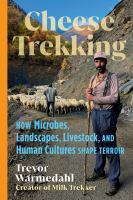
I had the pleasure of reading a new book on the subject, Cheese Trekking: How Microbes, Landscapes, and Human Cultures Shape Terroir by Trevor Warmedahl. In this book, the author travels the globe in search of the simpler and some might say preferable side of cheese production. He encounters several varieties of cheesemaking, from the slightly advanced to the truly rustic. In some cases, producers were still making cheese the way it was done centuries before, with few if any advancements in technology or procedure. He talks about how the industrialization and homogenization of dairy, particularly in the US, has not done cheese any favors. The microbes in milk, he argues, are meant to be there and can be beneficial in cheesemaking.
The Landscapes Warmedahl encounters in his cheesy travels are incredibly varied - from lush volcanic soil to harsh mountainsides. But these unique environments are key in shaping the terroir (pronounced tare-WAHR) of the cheese. Terroir, French for "sense of place," refers to how environmental factors like climate, soil, and farming practices, can give a product a truly unique quality. For example, a simple cheese like ricotta can provide a wildly different tasting experience depending on what sort of animal it came from, what the animal's diet consists of, the general climate where it was produced, and even the animal's overall treatment and mood. It's a known fact that happy cows produce more and better quality milk.
This all fits in with the Slow Food Movement that we looked at back in January. The Slow Food Movement is a growing global trend toward preserving local food cultures, reducing the fast-paced approach to food, and ensuring access to food that is good, clean, and fair. Throughout Cheese Trekking, Warmedahl comes back to this point repeatedly. He describes these slow yet fundamental cheesemaking processes in stunning, almost poetic detail. These varied methods of turning fresh milk to amazing cheeses are fascinating, earthy, and at times somewhat disgusting.
Curious to know more? Then I strongly encourage you to check out this book that was equal parts brilliant research and almost lyrical writing. You may also want to take a look at Trevor Warmedahl's blog on Substack!